Start with a simple question: who owns what?
What you need to insure depends mostly on whether you own the building, lease it, or work from a home-based location.
| Your situation | The building itself | Your contents and improvements |
|---|---|---|
| You own the building | You’re typically responsible for insuring it. | Equipment, furniture, inventory and supplies you keep there. |
| You lease the space | The landlord usually insures the structure, but your lease controls who insures what. | Your equipment and inventory, and often improvements you paid for. Check the lease. |
| You work from a home-based location | A homeowners policy may not treat business property the same way as a business policy. | Business equipment and inventory kept at home. Ask how they’re treated. |
What “property” can include
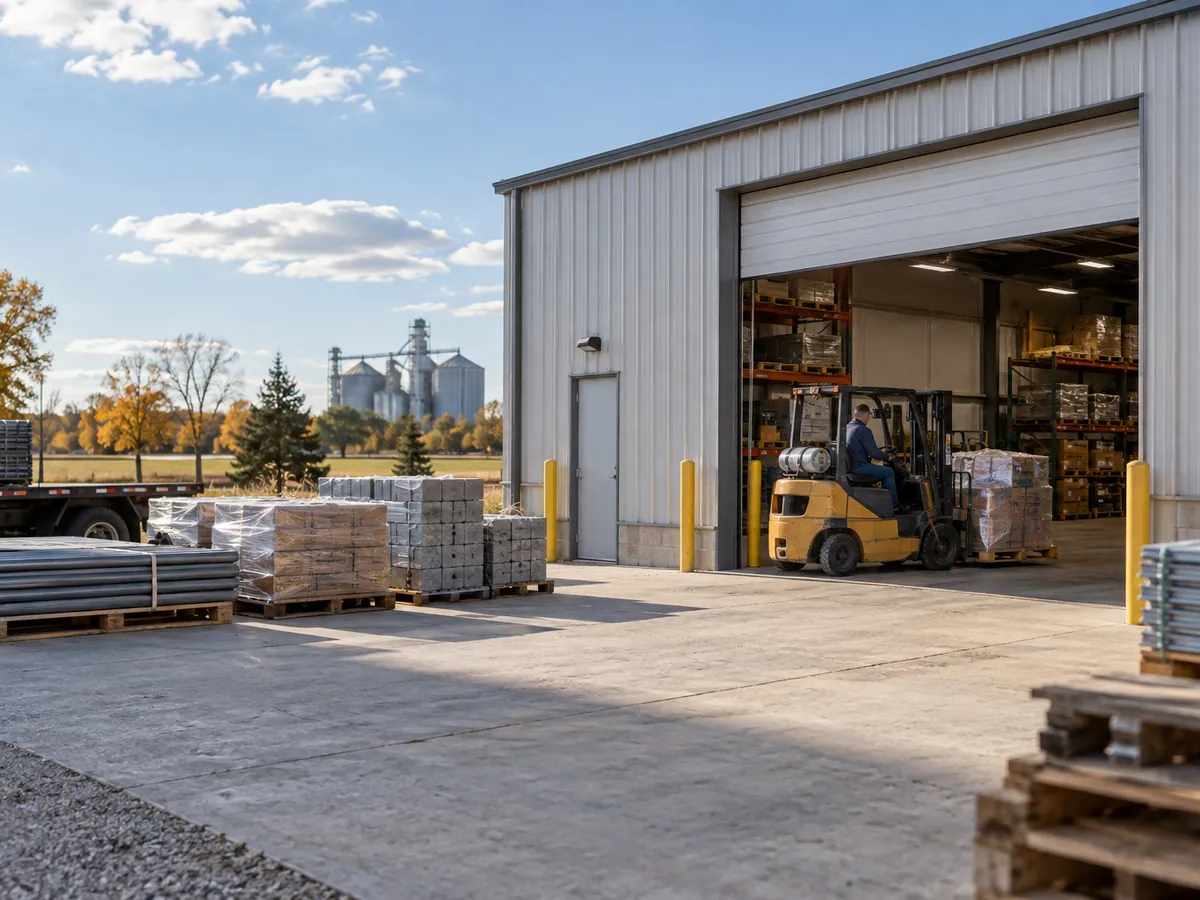
- Building
- The structure, and often permanently installed fixtures, when you own it.
- Business personal property
- Equipment, furniture, computers, supplies and inventory.
- Improvements you’ve made
- Build-outs and upgrades in leased space that you paid for.
- Property away from your premises
- Items at a job site, in a vehicle or at an event. Coverage varies by policy, so ask how it works.
The question worth asking: what would it take to reopen?
After a covered loss, the building and equipment are only part of the story. Ask an agent about these topics so you know what to expect before something happens:
- How the policy values your property. Ask how replacement cost and actual cash value differ, and which applies to what you own.
- What happens to income while you’re closed. Some property policies address lost business income after a covered loss, or offer it as an addition. Ask whether and how.
- Which events are covered and which are excluded. Michigan winters and storms are a reason to read this closely, and flood is often excluded from standard property policies, so ask about it directly.
- Whether your limits still match what you own. New equipment and higher inventory can outgrow an old policy.
Good moments to talk with an agent
- You’re moving, adding a location or renovating
- You bought significant equipment or increased inventory
- A landlord, lender or lease lists property-insurance requirements
- You’re not sure whether your improvements to leased space are covered
- Your renewal is coming up
What helps start a quote
- Address of each location and how you occupy it (own, lease, other)
- Building details if you own: age, construction, size and use
- A rough estimate of equipment and inventory values
- Any alarm, sprinkler or other protection systems
- Mortgage or lender information, if a lender requires coverage
- Your current policy’s renewal date
Common questions
Does commercial property insurance cover flood?
Standard commercial property policies often exclude flood. If flood is a concern for your location, ask an agent about your options rather than assuming.
Do I need it if I rent my space?
Your landlord’s policy generally addresses the building, but your equipment, inventory and often the improvements you made are typically yours to insure. Your lease controls, so bring it with you.
What is business income coverage?
It’s a coverage topic some property policies include or offer as an addition. It relates to lost income and continuing expenses when a covered loss forces you to slow down or close. Ask an agent whether and how it applies.
Is this the same as general liability?
No. Property coverage is about your own assets. General liability is about claims from other people. Many businesses look at both.
Are tools and equipment covered when they’re not at my location?
It depends on the policy. Ask how property away from your premises, at job sites or in vehicles, is treated.