What a homeowners policy generally includes
Policies are worded differently, but many are built around the same building blocks. Read yours to see how it defines each one.
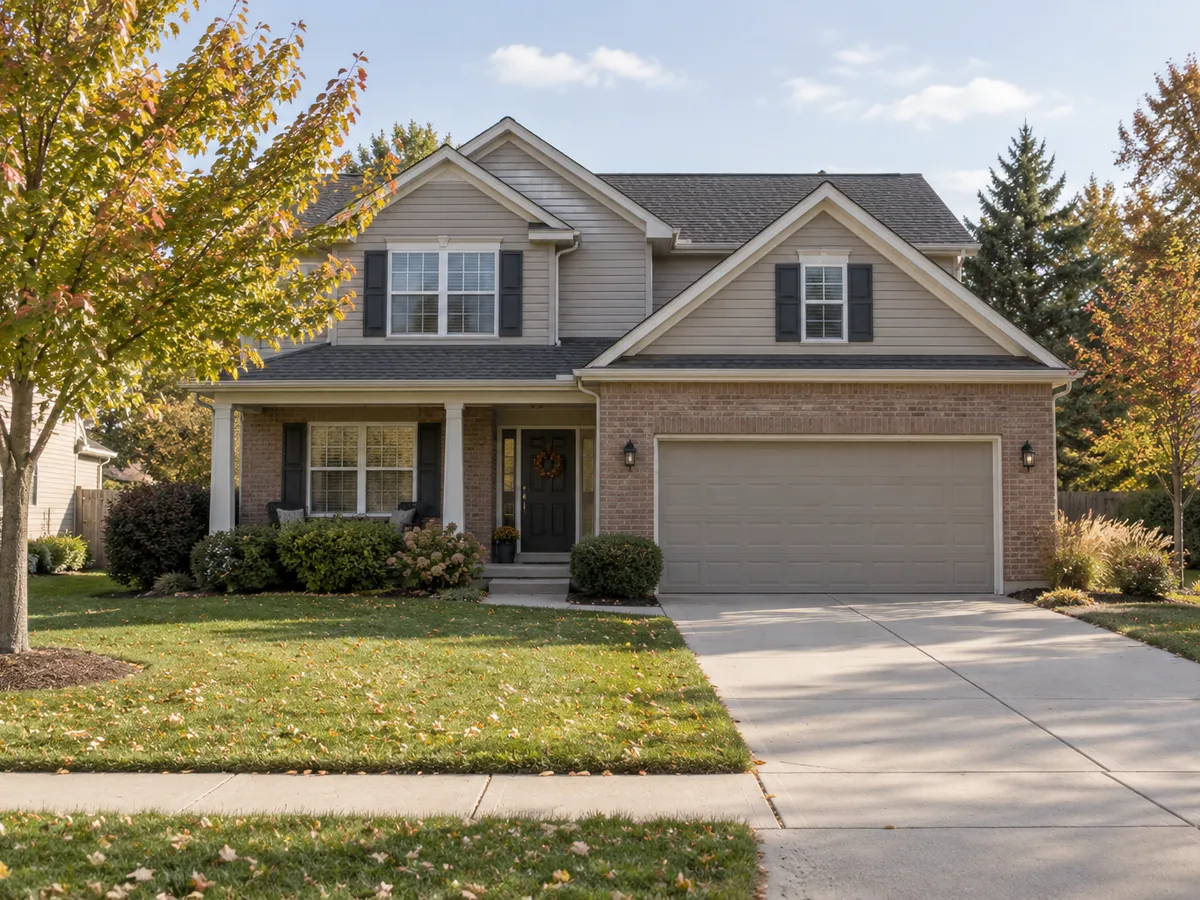
- The house itself
- The structure and attached parts of it, such as a garage.
- Other structures
- Detached items like a shed or fence.
- Your belongings
- Furniture, clothing, electronics and other personal property, often with limits for certain categories such as jewelry.
- Extra living costs
- Some policies help with additional living expenses if a covered loss makes the home unlivable. Ask how it works.
- Personal liability
- Helps if you’re held responsible for injuring someone or damaging their property.
- Medical payments to others
- Some policies help with small medical bills for guests who are hurt at your home, regardless of fault.
Questions worth asking before you decide
- How is a loss valued?
- Ask whether the policy pays replacement cost or actual cash value for the house and for belongings. They can produce very different outcomes.
- What’s the deductible, and does it change by cause of loss?
- Some policies use different deductibles for different types of loss, such as wind or hail.
- What’s excluded or limited?
- Flood and earth movement are commonly excluded from standard policies. Ask how to address them if they concern you.
- What about water backup?
- In a state with many basements, water backup from a sewer or sump pump is a common question. It’s often excluded unless it’s added, so ask how your policy treats it, especially if you’ve finished your basement.
- Are your valuables and upgrades accounted for?
- Renovations and valuable items can outgrow a policy’s limits.
When your policy is worth a fresh look
- You’re buying, selling or refinancing
- You finished the basement, added a room or renovated a kitchen or bath
- You made a major purchase, such as jewelry, art or a home office setup
- You started working from home or running a side business. Some policies treat business activity differently, so ask.
- Your renewal price or terms changed
What helps start a quote
- The address, and the year the home was built
- Recent updates, such as a new roof, furnace, wiring or plumbing
- The size of the home and whether the basement is finished
- Your mortgage lender, if the lender requires coverage
- Your current policy and its renewal date, if you have one
An agent can talk with you about how much dwelling coverage makes sense; there’s no one-size formula, and we don’t use a website calculator to decide it for you.
Common questions
What’s the difference between replacement cost and actual cash value?
Replacement cost is generally the cost to repair or replace with similar materials at today’s prices. Actual cash value generally accounts for depreciation. Policies define these differently, so read the wording and ask.
Does home insurance cover flood?
Standard homeowners policies commonly exclude flood. If flood is a concern, ask about your options rather than assuming coverage.
Does it cover a home business?
Some policies limit coverage for business property or activity at home. If you work from home or run a side business, ask how your policy treats it.
Do I need home insurance if I have a mortgage?
Lenders commonly require coverage on the home, and the mortgage documents say what they require. Beyond the lender’s requirements, it’s worth deciding what protection you want for your belongings and liability.